I’m On My Way Back To The Old Home
Lyrics by Bill Monroe (1950)
Back in the days of my childhood
In the evening when everything was still
I used to sit and listen to the foxhounds
With my dad in the old Kentucky hills
I’m on my way back to the old home
The road winds on up the hill
But there’s no light in the window
That shined long ago where I live
Soon my childhood days were over
I had to leave my old home
For dad and mother were called to heaven
I’s left in this world all alone

High in the hills of old Kentucky
Stands the fondest spot in my memory
I’m on my way back to the old home
The light in the window I long to see
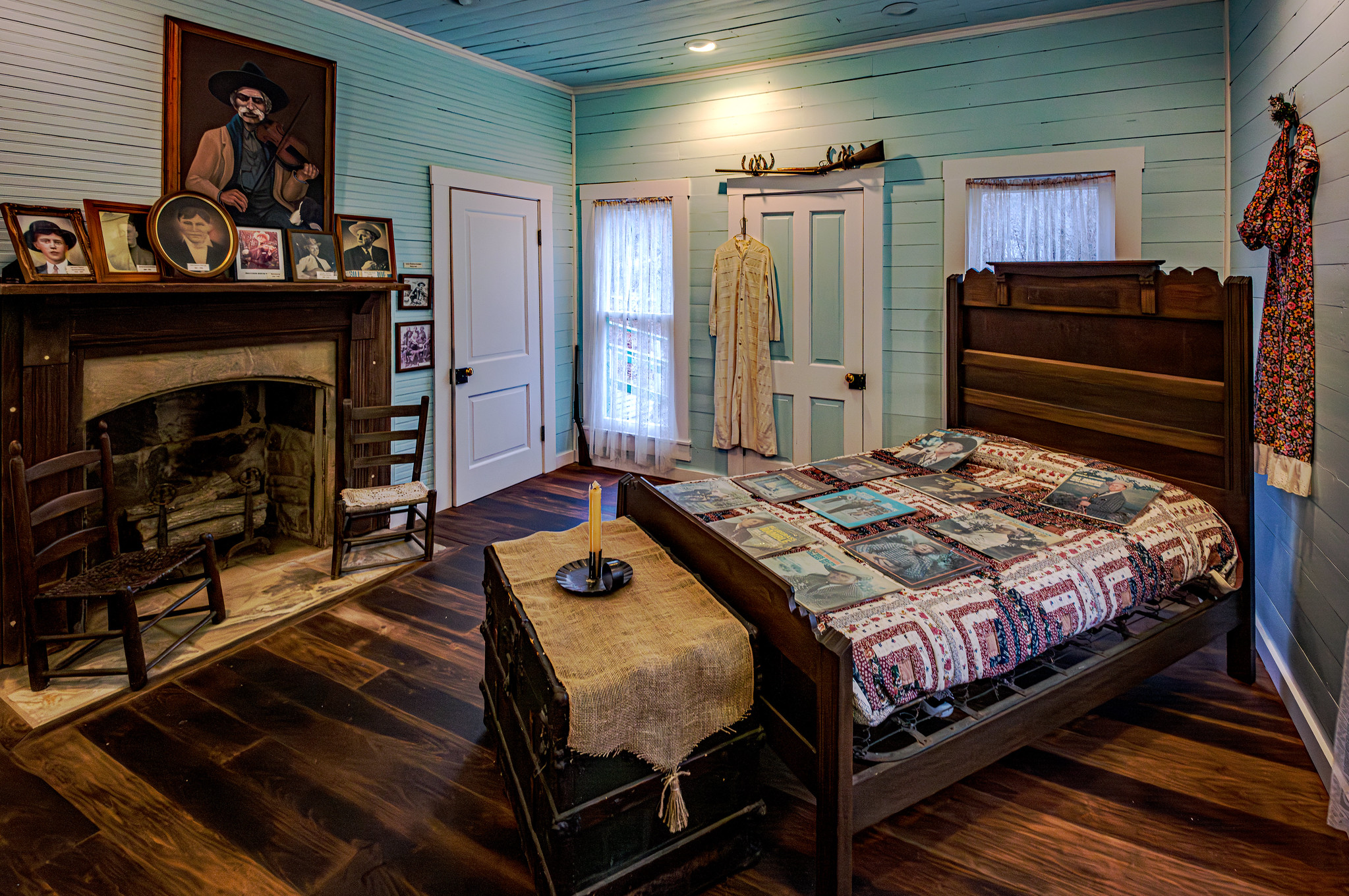
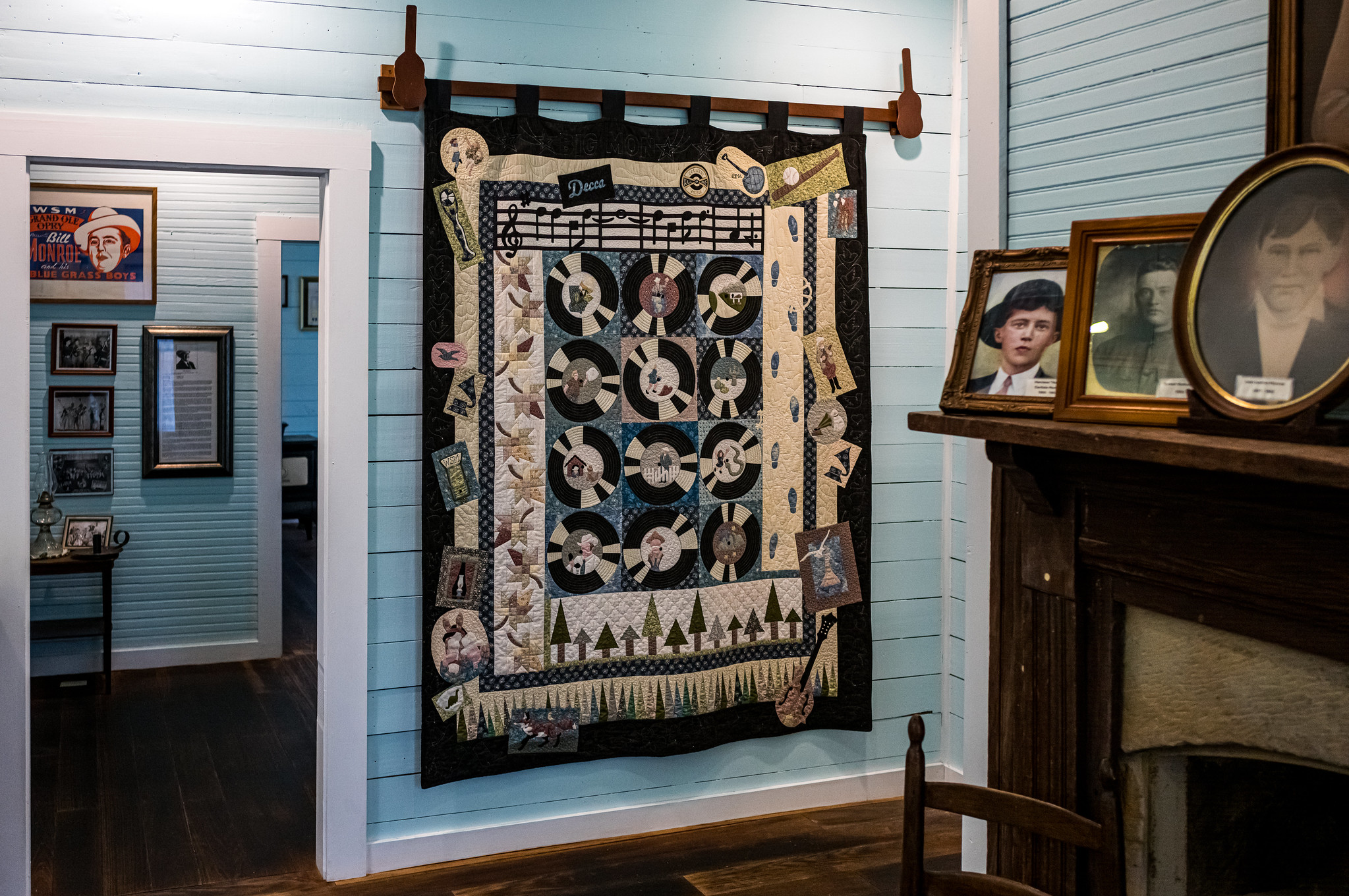
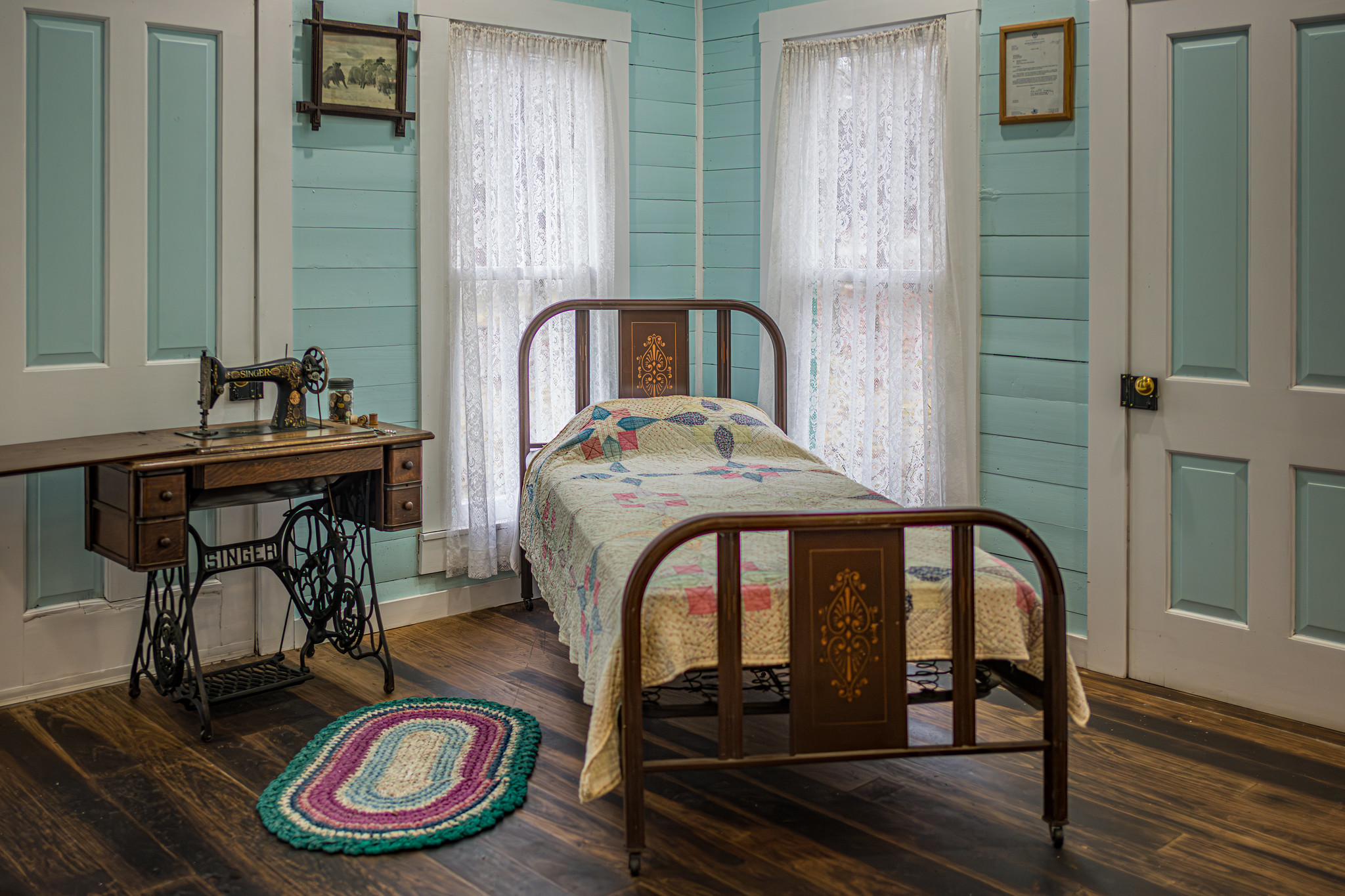
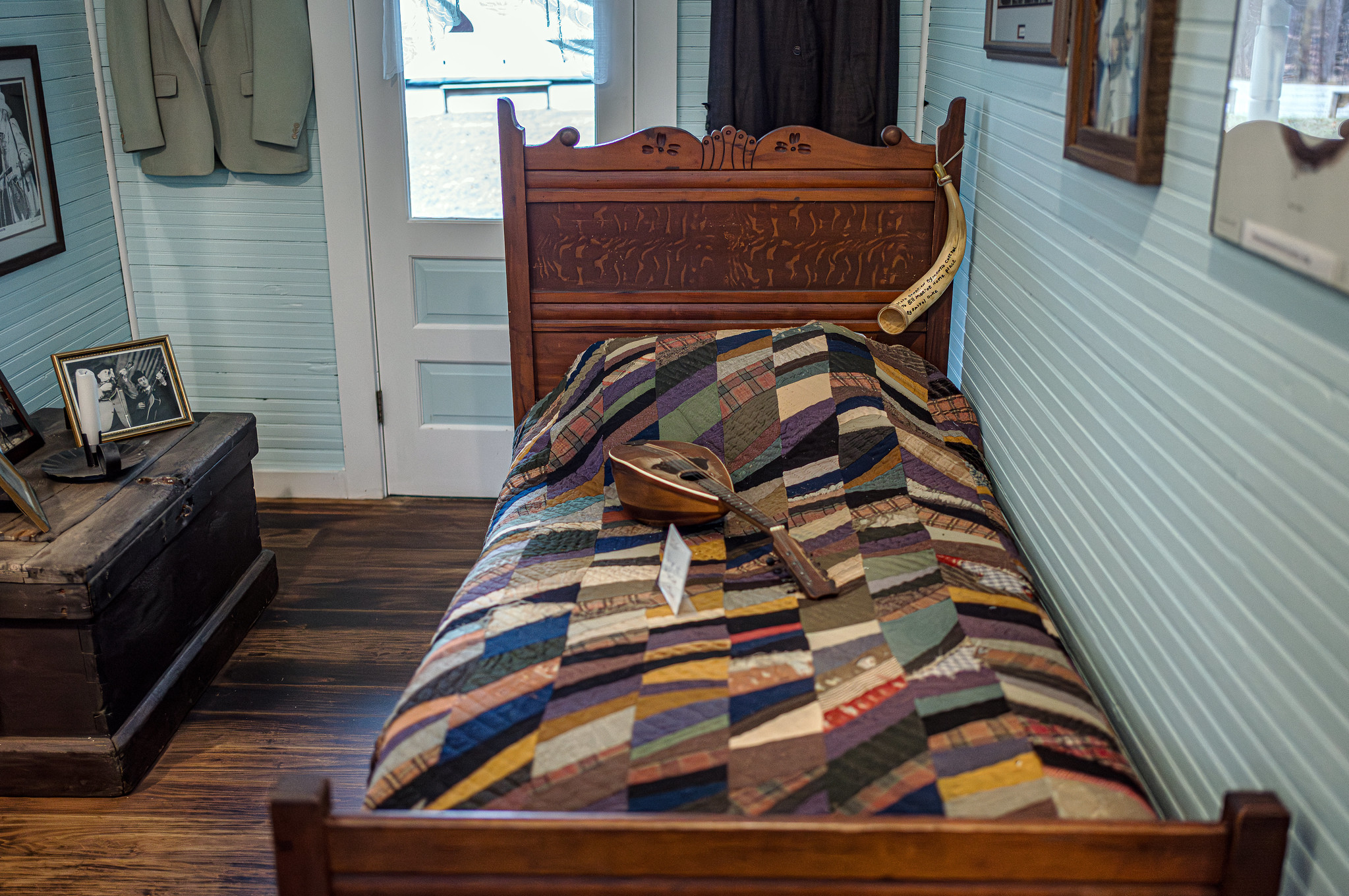
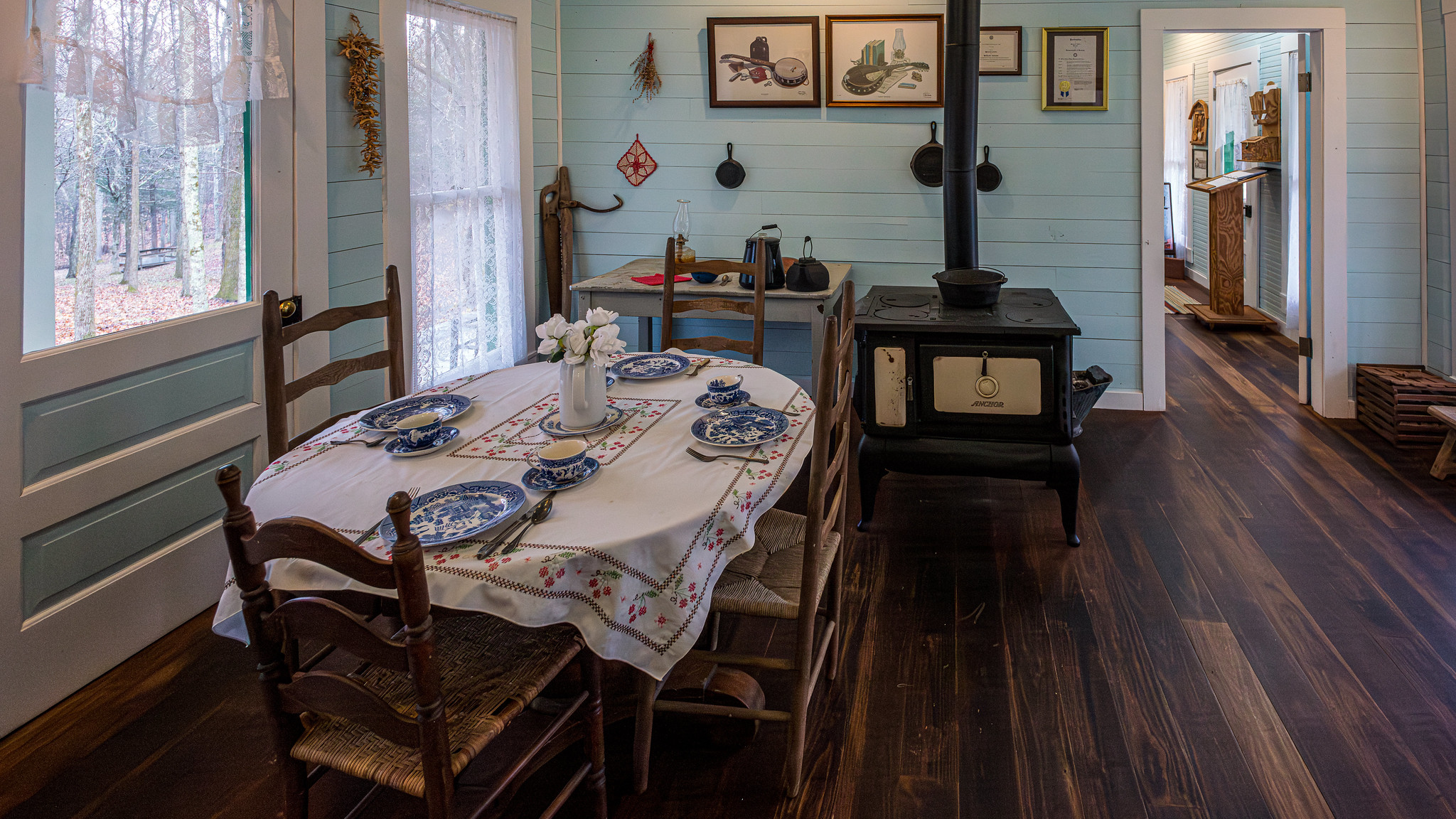
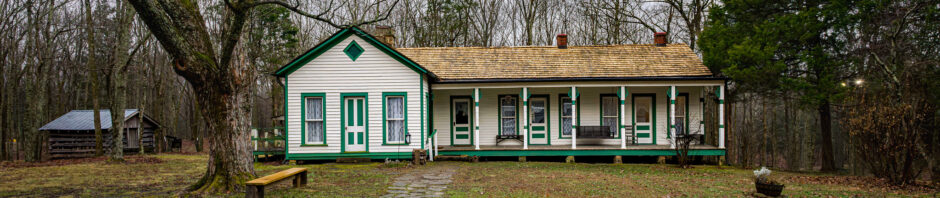
It was a cold, rainy January day and I hoped the rain would subside long enough for me to take a few pictures of the Bill Monroe Homeplace on Jerusalem Ridge, just outside of Rosine, Ohio County, Kentucky. I was meeting with Marty Hays, whose wife, Robin, is the official caretaker of the Homeplace. They work together to keep the property in top shape for visitors and activities on the property, including concerts and events, and help keep the history and heritage of Bill Monroe and his family alive.
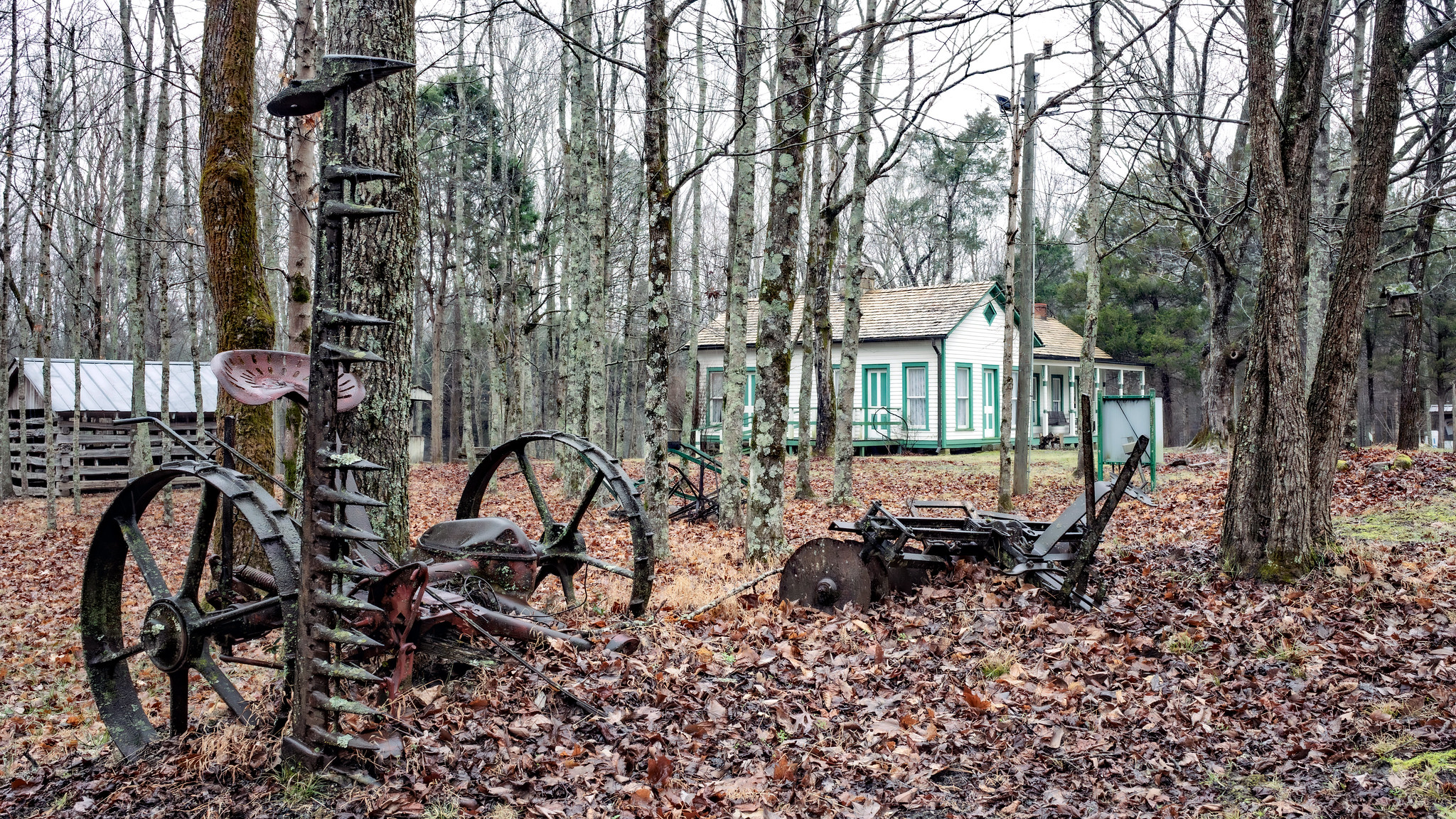
Marty, a musician himself, showed me through the house, and afterward, we sat down and talked about Bill Monroe, his early life and family, his rise to fame, and the area’s musical heritage. I learned that Bill was born in a log cabin on the property in 1911. It burned when he was five, and the current house was built a short time later. It’s been called “the most musical home in America.”
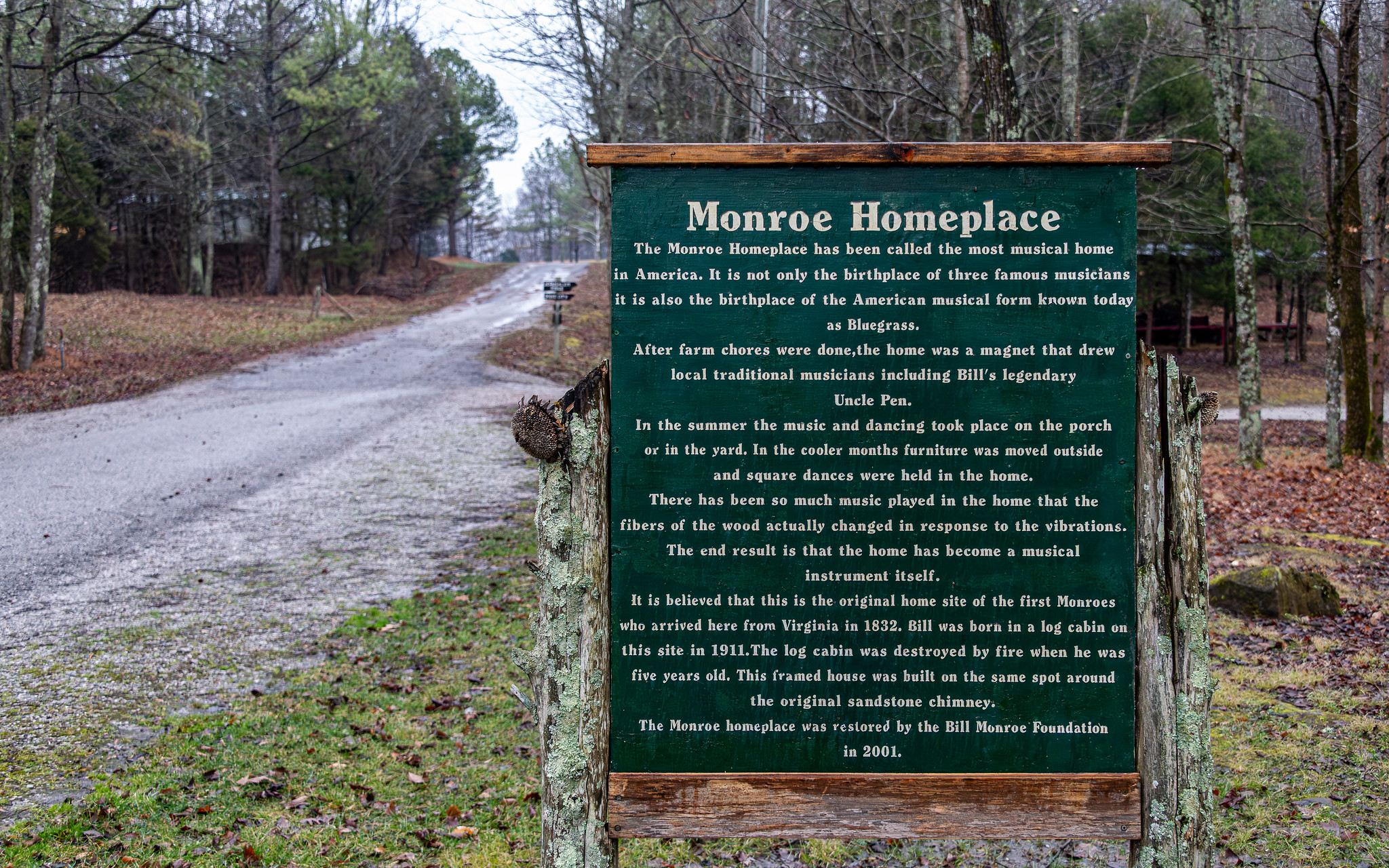
Not only was the house the home to Bill Monroe, but also his two musician brothers, Charlie and Birch. A sign on the property informs us that “After the farm Chores were done, the home was a magnet that drew local traditional musicians including Bill’s legendary Uncle Pen. In the summer the music and dancing took place on the porch or in the yard. In the cooler months furniture was moved outside and square dances were held in the home.”

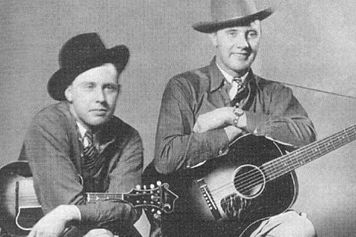
Bill, the youngest of eight children, who in his youth would play music with his brothers Charlie and Birch, got to play the mandolin, as the older brothers already had dibs on the guitar and fiddle. It became his trademark instrument, and as he rose in the ranks of country music, he defined his style by playing the mandolin as lead instrument. Major influences for Monroe were his mother, Malissa, who played the fiddle and sang, and her brother, Pendleton “Uncle Pen” Vandiver. His mother died in 1921 and following the death of his father in 1928, Bill moved in with his Uncle Pen, as his siblings had already moved from the homeplace. Bill would often accompany his Uncle Pen who was a well-known fiddle player in the area, to dances and events where he got a chance to play and learn from the older man. In 1950, Monroe recorded the song “Uncle Pen,” as a tribute to his uncle. Over they years, it has been recorded by other country artists, including Porter Wagoner (1956) and Ricky Scaggs (1984), among others.

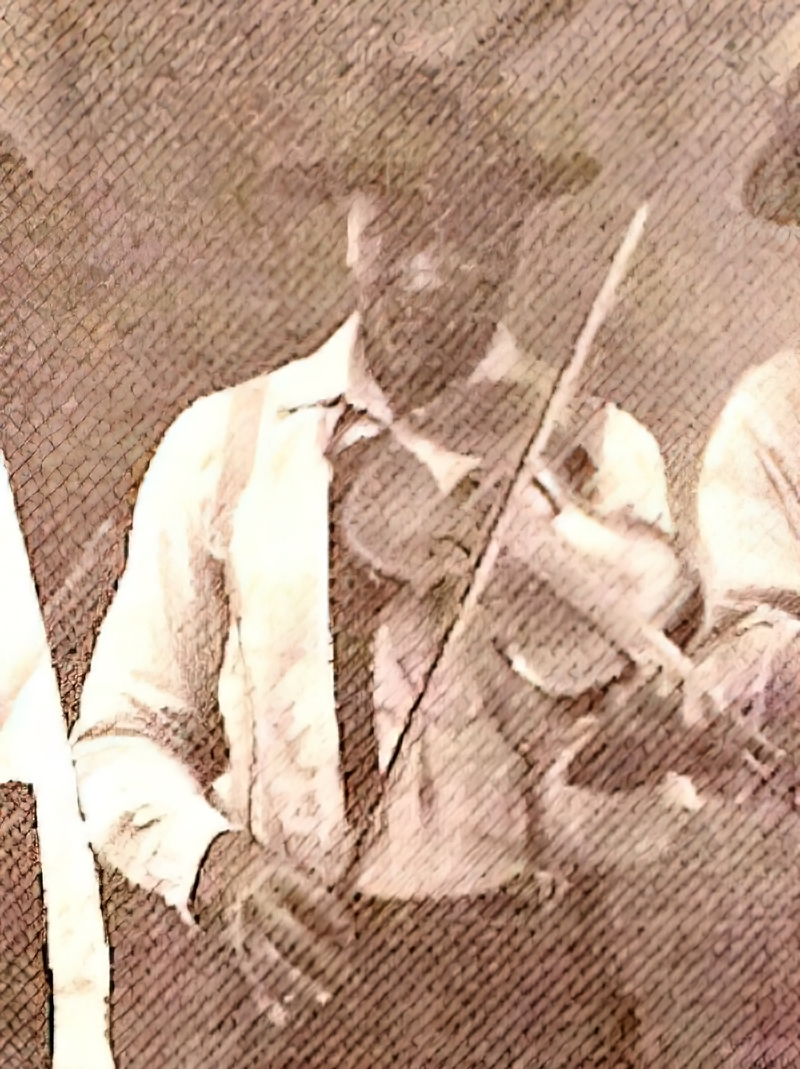
Another major influence was Arnold Shultz, an African American man, born in Ohio County into a family of traveling musicians. He gave Bill the chance to play his first paid musical job, with Shultz playing fiddle and Monroe playing guitar. Shultz developed a jazzy, thumb-style guitar picking method that evolved into a Kentucky style that was adapted by Merle Travis, Doc Watson and Chet Atkins. He died in 1931 and was inducted into the International Bluegrass Hall of fame last year (2025).
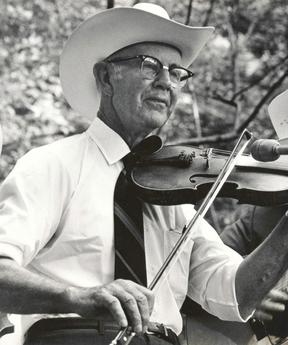
In 1929 Bill left his Uncle Pen’s cabin and headed to East Chicago, Indiana to work with his brothers at the Sinclair Oil Refinery, He worked there until 1934, mainly in the barrel house, washing and loading empty oil barrels. During that time, he continued playing music with his brothers and another musician, Larry Moore, at local venues and dances, as The Monroe Brothers. After a while, Birch and Moore left the group, and continued as a duo. They would go on to earn spots on several local radio stations, and then eventually nationwide. RCA Victor signed the Monroe Brothers to a recording contract in 1936. “What Would You Give in Exchange For Your Soul?” became their first hit single, and they went on to record some 60 tracks for Victor’s Bluebird label in the next couple of years.
The Monroe Brothers disbanded in 1938 and Charlie and Bill each went their own way. The following year Bill auditioned for The Grand Ole Opry and won a regular spot by singing Jimmie Rodgers’s “Mule Skinner Blues,” which he recorded in 1940 with his newly formed Blue Grass Boys. The addition of banjo player “Davis “Stringbean” Akeman, Lester Flatt and Earl Scruggs, along with others, over the next few years, helped create a sound which characterized Bluegrass music.
Over a long career, Bill Monroe became known as the “Father of Bluegrass.” A live album in 1989, celebrated his 50th year with the Grand Ole Opry.
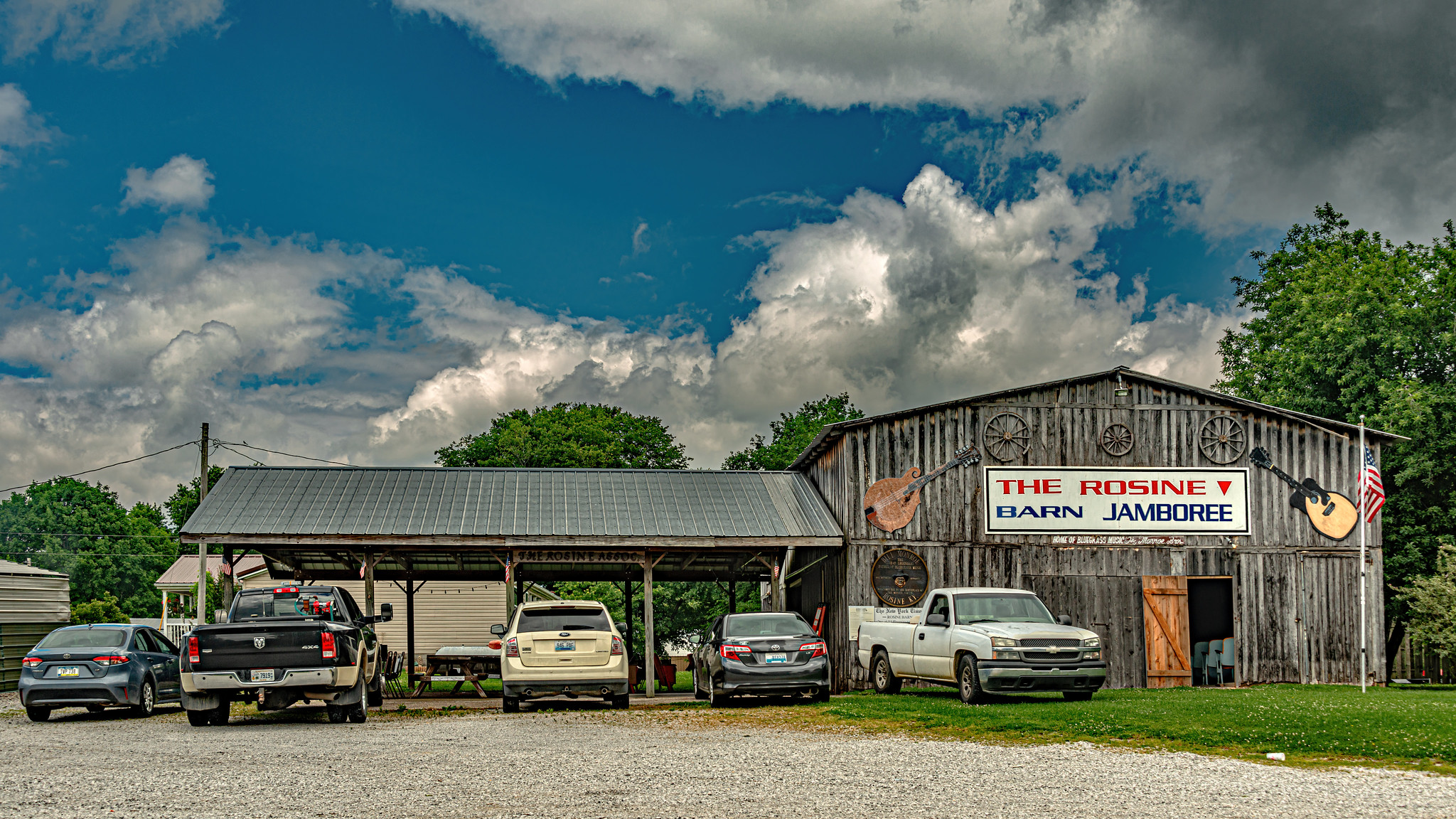
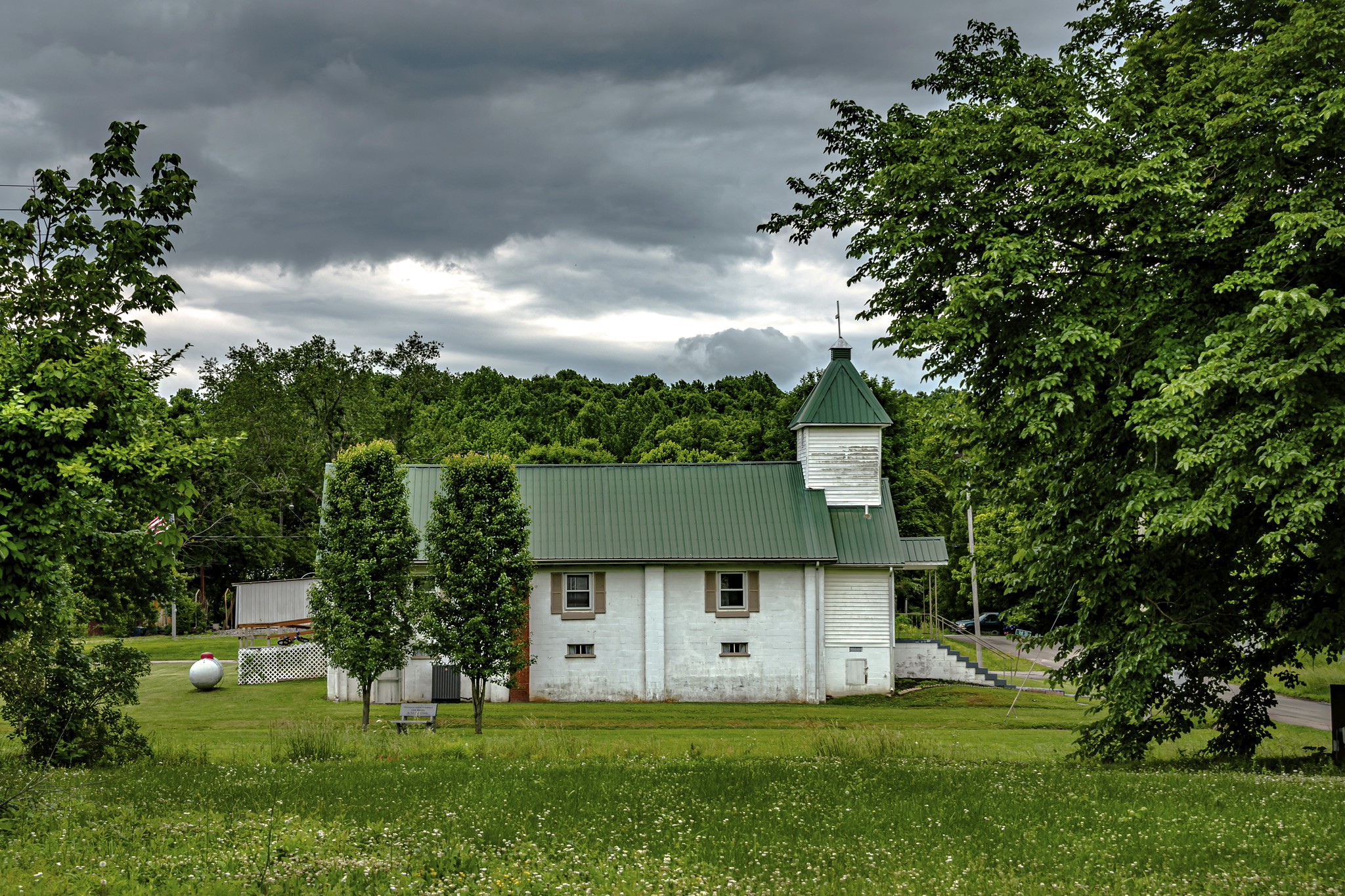
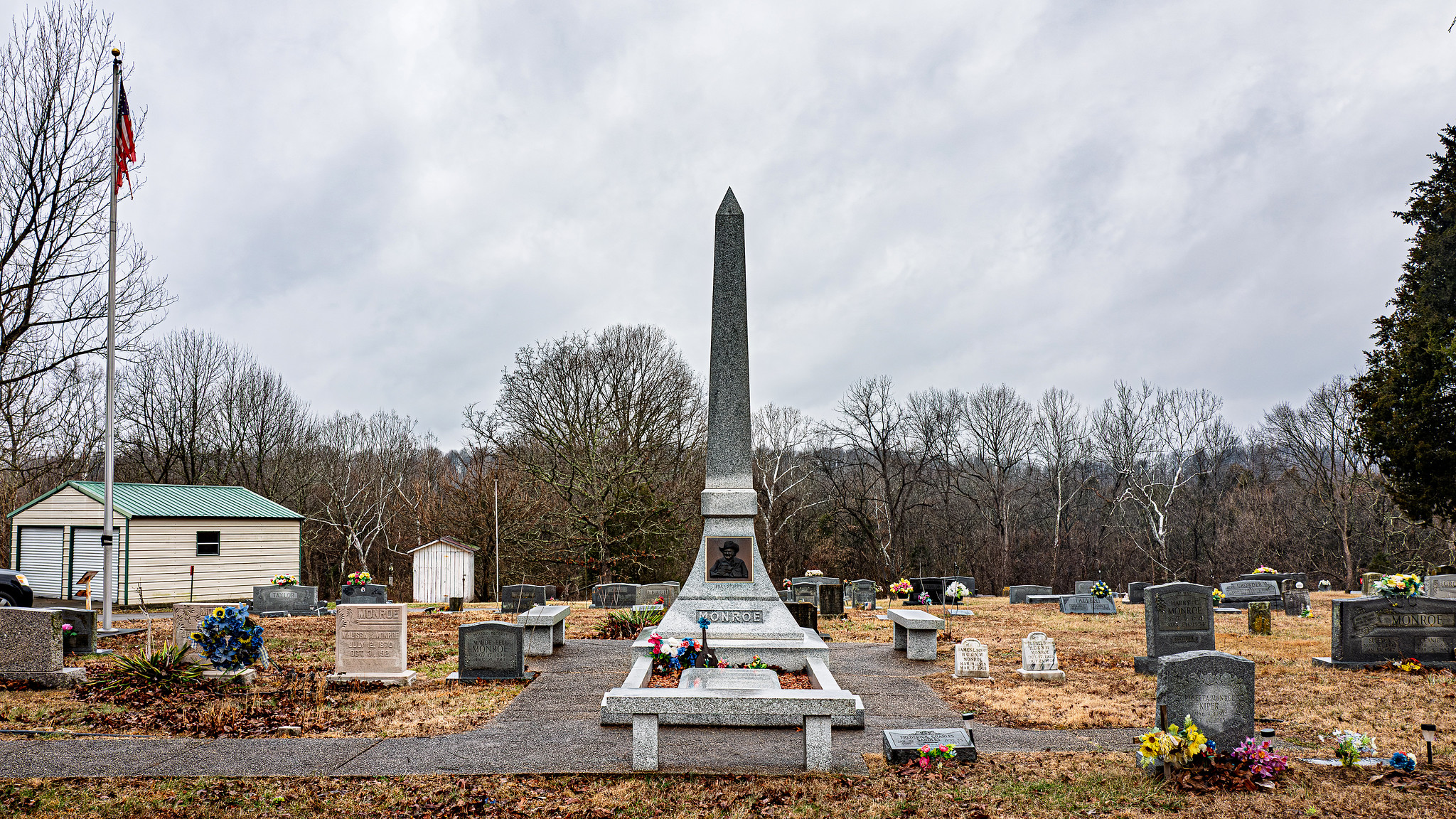
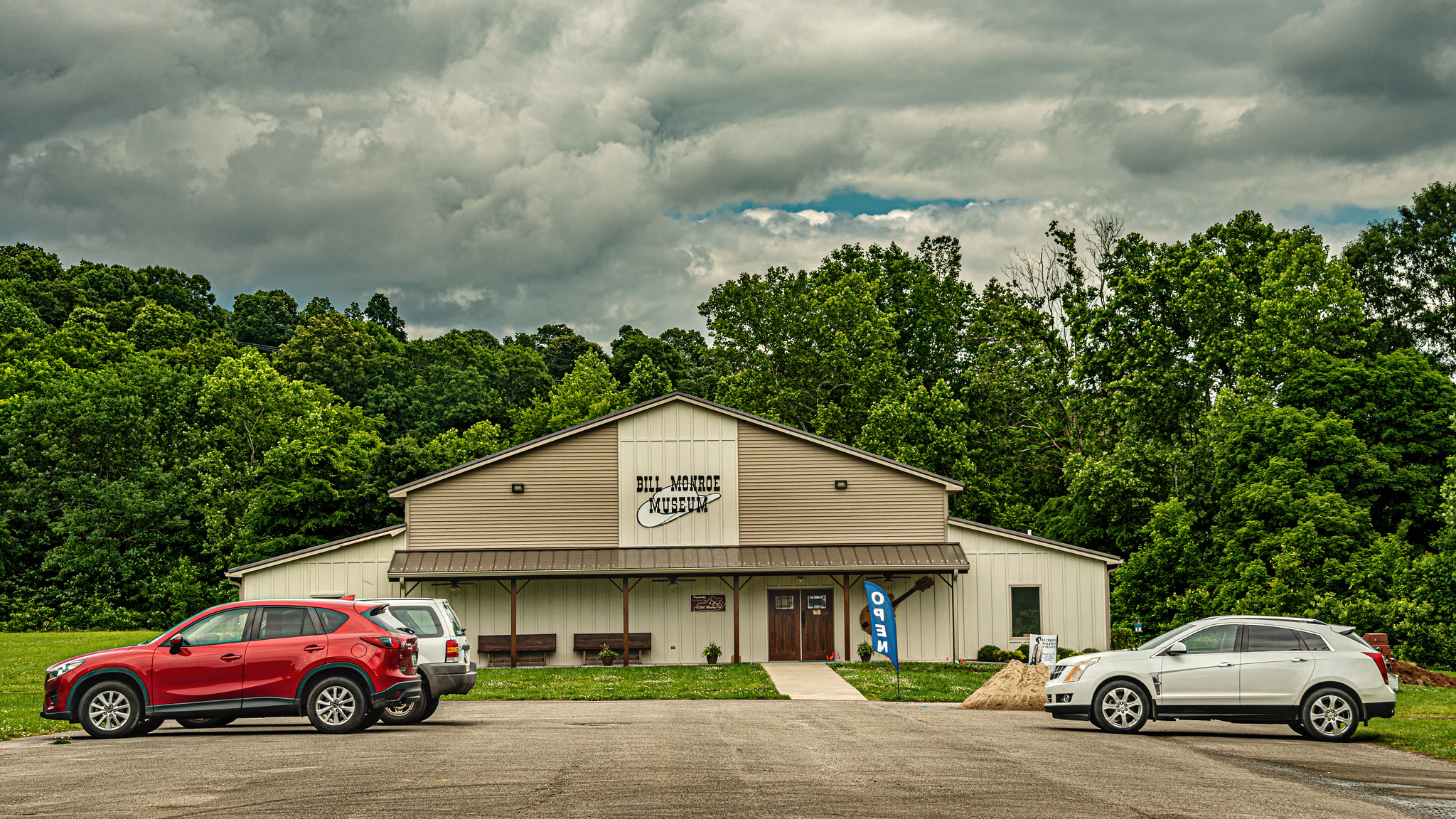
Ohio County and the Rosine community are visibly proud of their native son, who left a musical legacy and the Bluegrass genre to the world. There’s a lot more that could be said, but that would take a book. Rosine, the small town that Bill claimed as home, has a museum dedicated to him. There’s the Rosine Barn Jamboree, where musicians gather to carry on his tradition of country music, and the church where his funeral was held in 1996. He is buried in the Rosine Cemetery. The Monroe Homeplace was restored by the Bill Monroe Foundation in 2001 and is open to the public March through November. More information is available on the Bill Monroe Homeplace website.